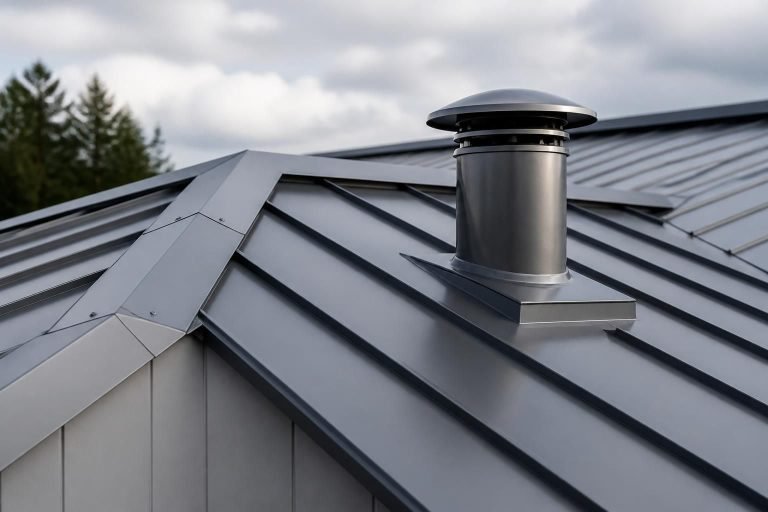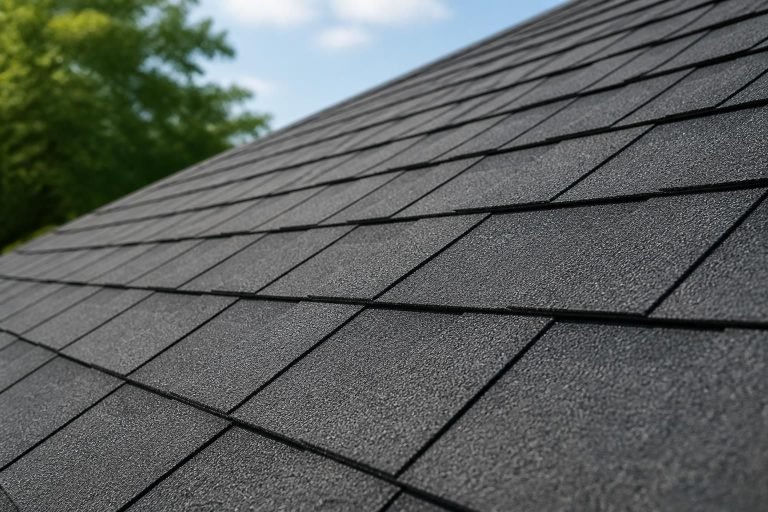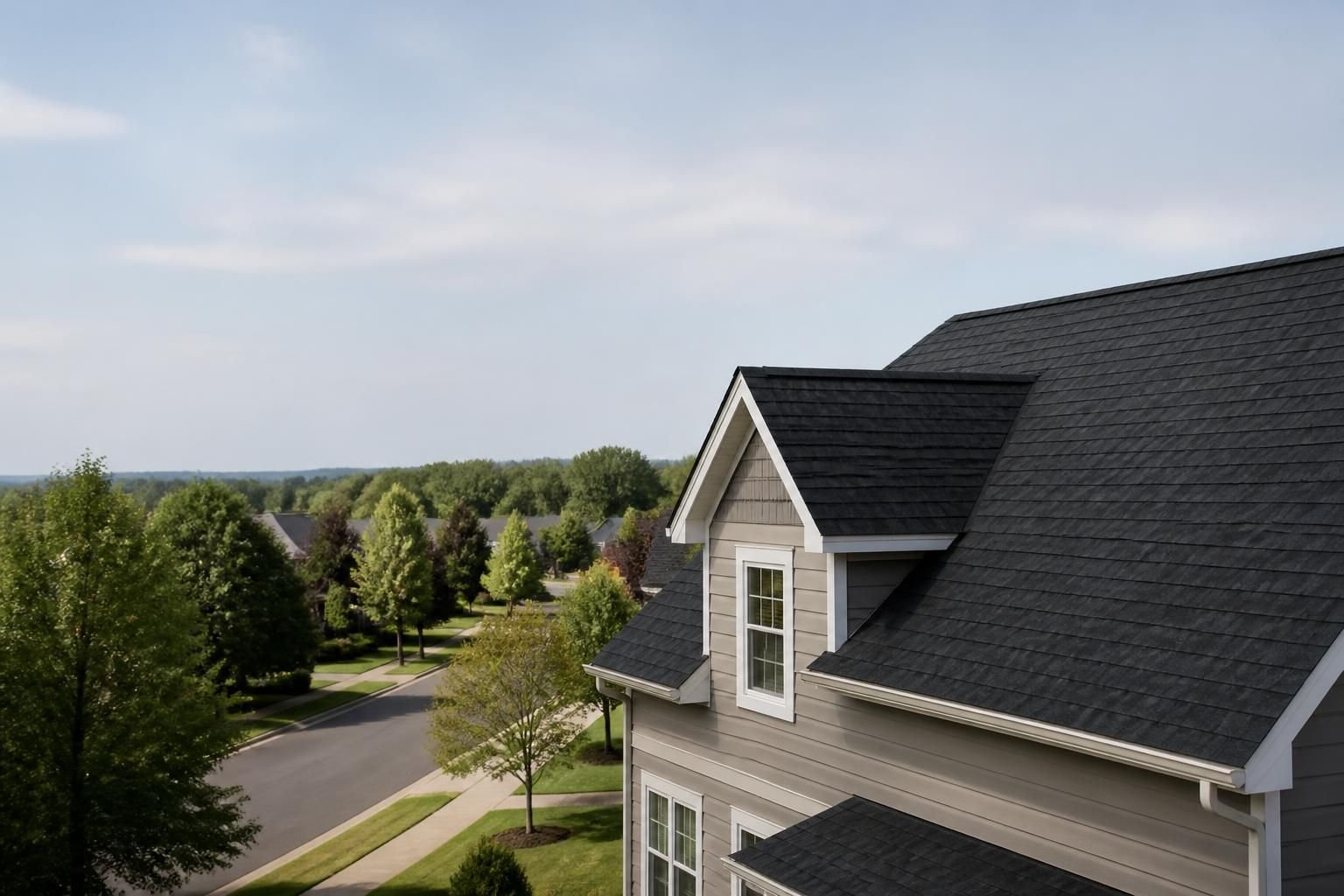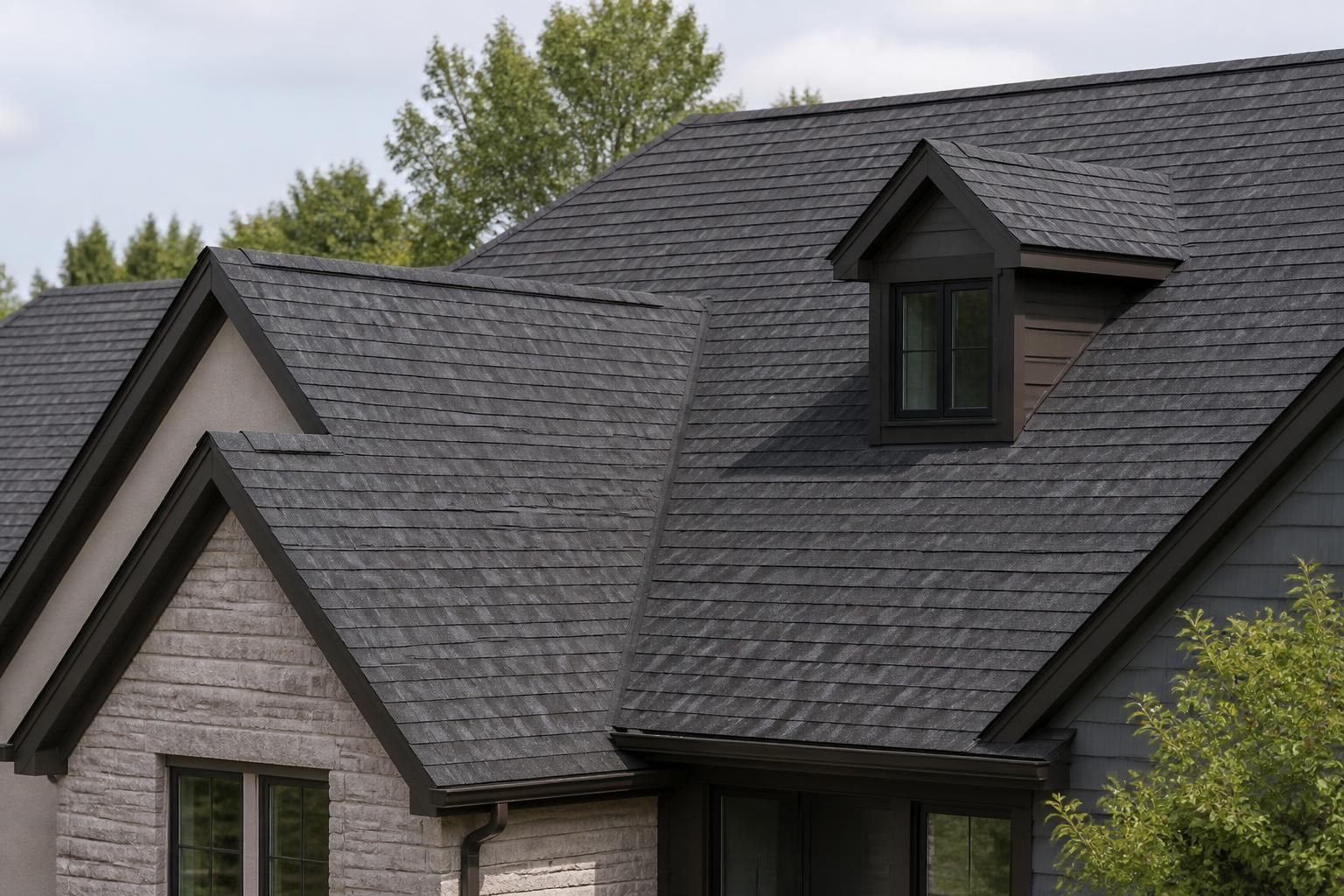
Metal roofs have a strong reputation for handling hail. They are tough and they last a long time. But there is a catch that surprises many Texas homeowners. Some insurance policies do not pay for dents. Before you choose a metal roof, or file a claim on one, you need to understand the cosmetic damage exclusion.
What the Exclusion Says
A cosmetic damage exclusion is a part of a property insurance policy. In plain words, it says the insurer will not pay for damage that only changes how the roof looks. If the roof still keeps water out, the dents and marks are called cosmetic. Policy language varies, but one common wording defines cosmetic loss as damage that changes the appearance of the metal roof without letting water through it.
This is not new. Texas regulators approved an endorsement of this kind back in 1998. It was meant to go on policies for roofs that earned a premium credit for being hail resistant. Today, insurers use their own versions, and they can be broader.
Why It Matters
Say hail dents your metal roof. It looks like a golf ball. Without the exclusion, an adjuster may agree the damage is covered. With the exclusion, the insurer may say the roof still works, so there is nothing to pay. You could be left with a roof that looks damaged and a denied claim.
Property owners and insurers often disagree on this. Some court cases in Texas have sided with the insurer when no evidence showed more than cosmetic damage. In other cases, courts have decided the question needed a jury, or have refused to enforce the exclusion. Results depend on the policy wording and the facts. If you face a denial, a licensed attorney or a public adjuster can advise you. We are roofers, not lawyers.
Where to Find It in Your Policy
- Look at the endorsements section, which is often near the back.
- Search for the words cosmetic, metal roof, or roof surfacing.
- Check the declarations page for notes about roof damage.
- Ask your agent, in writing, whether your policy has such an exclusion.
Other Policy Changes Hail Claims Face
Cosmetic exclusions are not the only hurdle. Many Texas policies pay roof claims based on the age of the roof, so an older roof may be paid at depreciated value.Wind and hail deductibles are also often a percentage of your home’s insured value, instead of a flat amount. United Policyholders reports that a 2 percent deductible has become common across much of Texas, especially in North Texas. On a large home, that can be a big number. Know yours before a storm hits.
Protect Yourself Before You Buy
If you are shopping for a metal roof, do this first:
- Ask your insurance agent if a metal roof changes your coverage, price, or exclusions.
- Ask whether you can buy a policy without a cosmetic exclusion, and what that costs.
- Compare the real cost of a policy with and without the exclusion.
- Choose a thicker gauge, a stronger profile, or a hail rated product if hail resistance is a priority.
Document Your Roof
Take clear photos of your roof when it is new, from several angles. Keep your invoice and product details. If a storm hits, take photos soon afterward and note the date. Good records make any claim conversation easier.
Are Metal Roofs Still a Good Choice?
For many homes, yes. Metal roofs can last a long time, shed weather well, and handle wind. The point is not to avoid metal. It is to buy it with open eyes, and to confirm the insurance side before you sign. If your policy excludes cosmetic damage and you do not mind a few dents, metal can still be a smart pick. If a flawless look matters, shingles may suit you better.
Questions to Ask Your Agent Today
- Does my policy have a cosmetic damage exclusion for the roof?
- Is my roof paid at full replacement cost or at depreciated value?
- What is my wind and hail deductible in dollars?
- Would a different roof material change my premium or my coverage?
Ask for answers in writing. A short email gives you a record if you ever need to refer back to it.
What About Other Metal Roof Damage?
Cosmetic exclusions usually deal with dents and marks. Damage that lets water in is a different matter. Punctures, torn seams, loose panels, and damaged fasteners can all cause leaks. Have a pro check after a storm, since small problems can hide at the seams and trim.
Get Honest Advice
Grapevine Elite Roofing can talk you through metal and shingle options, and help you understand what to ask your insurer. Contact us for a free inspection.